
The decade of decadence is back in style—and honestly, it’s about time. Tailored suits with sculpted shoulders will grow three sizes. Funnel necks will be the base of every outfit. And jewelry? Well, that’ll get chunkier, bolder and golder. Gen Z and Millennials are driving this maximalist aesthetic. – Pinterest Predicts 2026
If 2010–2020 was the age of pared back “quiet luxury,” 2026 is shaping up to be loudly, unapologetically the opposite. Pinterest’s 2026 Glamoratti trend calls it a return to “the decade of decadence”: sculpted shoulders blown up beyond minimalism, funnel necklines that frame the face as armor, oversized tailored suits that flirt with masculinity, and jewelry that reads like small sculptures — chunkier, bolder, and goldier. These are not subtle whispers of nostalgia; they’re a full-volume re-entry of maximalism into wardrobes and cultural imagination.

Focus Keywords: What people are searching for
- chunky belt +65%
- baggy suit +90%
- high collar jacket +60%
- gold cuff +50%
- 80s luxury +225%
What will Glamoratti encapsulate in 2026?
At its core, Glamoratti is a mashup of late-’70s/’80s power dressing, high-glam editorial excess, and Gen Z/Millennial optimism for ornamentation as identity. The trend’s data points on Pinterest make the shifts concrete: search interest spikes include “baggy suit” (+90%), “chunky belt” (+65%), “high collar jacket” (+60%), “gold cuff” (+50%), and “80s luxury” (+225%) — a clear, measurable signal that audiences are actively seeking these looks. Those search lifts aren’t just academic: they map to what designers showed on runways and what tastemakers are wearing on social feeds.

What We’re Expecting
Stylistically, Glamoratti mixes textures (satin, leather, croc, polished metal) and plays with scale — a small cocktail bag with a giant gold clasp, an oversized blazer with a micro skirt, a funnel-neck coat with opera gloves. The emphasis is on confidence and theatricality: it’s aspirational, not ironic.

- Oversized tailoring with exaggerated shoulders. Not retro padding for padding’s sake, but modern constructions that read strong and architectural. Designers from Paris and Milan leaned into these proportions across 2025–26 collections. Financial Times
- Funnel and high collars. Funnel necklines and high-collar jackets turn outerwear into stage costumes and create a clean vertical silhouette that pairs with bulky jewelry. Coverage across fashion outlets flagged funnel collars as a defining outerwear shape for the season. lofficielusa.com
- Chunky, sculptural jewelry. Oversized cuffs, thick chains and statement earrings — the jewelry functionally becomes the outfit’s focal point. Editorial and street coverage highlight chunky gold cuffs and sculptural pieces as jewelry trends dominating 2026. ELLE
- Accessories and hardware-forward styling. Stack belts, stacked rings, croc textures, and glossy finishes complete looks; accessories help readers visually decode the Glamoratti aesthetic in an accessible way (you don’t need a couture dress to participate). Couveteur
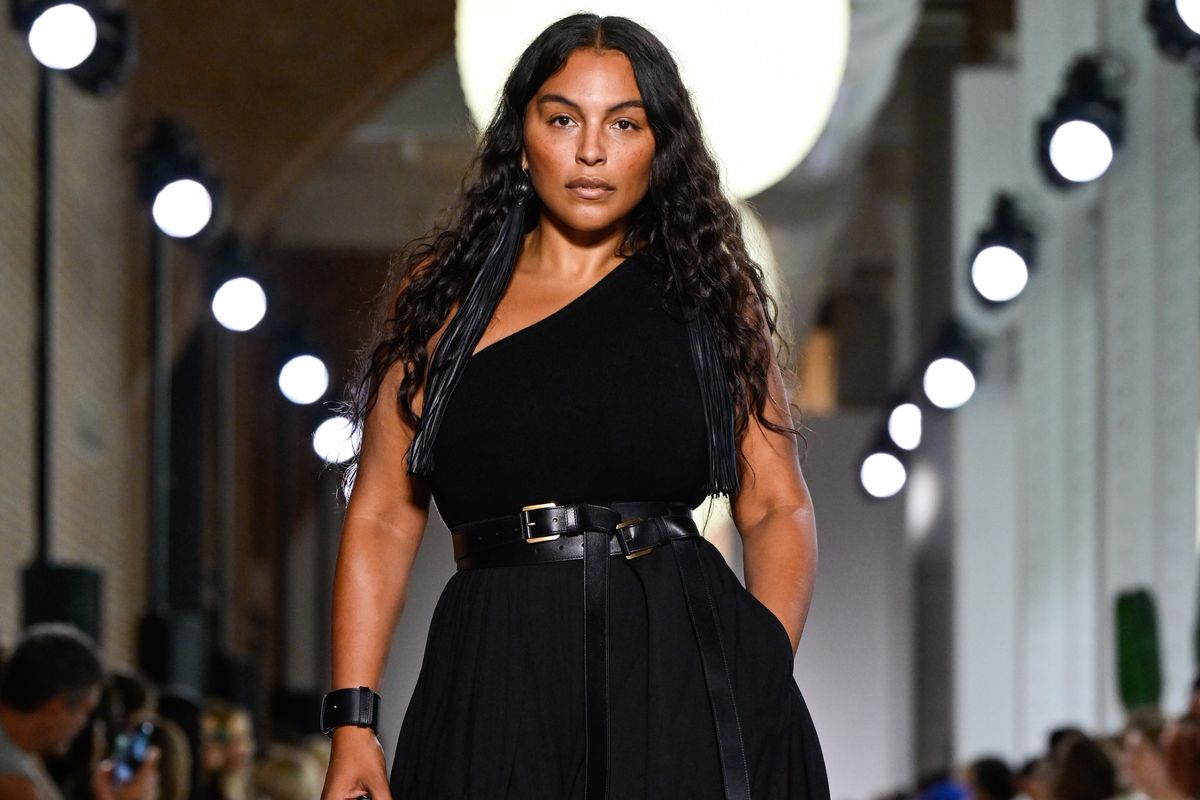
Glamoratti didn’t appear overnight; it’s the accumulation of several aesthetic shifts during 2024–2025:
- Power-shoulder revival. Designers started reintroducing shoulder pads and structured tailoring across major shows in 2024 and through 2025, evolving into sleeker and sometimes slouchier shapes. Coverage called the shoulder pad resurgence “back” and a core driver of the new power dressing moment. Financial Times
- Oversized suiting / baggy tailoring. The demand for “baggy suit” looks — looser, more relaxed tailoring with long hems and wider trousers — began as a counter to skin-tight suiting and rapidly gained steam in street style and celebrity wear. Industry trackers show large search gains for baggy suiting heading into 2025 and 2026. Trendalytics
- Jewelry as statement art. After seasons of dainty layering, runways and jewelry editors spotlighted sculptural and chunky jewelry: cuffs, bold chains, and statement earrings. Editorial roundups for 2026 jewelry trends explicitly call “chunky strands” and “epic earrings” top categories. ELLE
- Accessory stacking and maximalist hardware. Belt stacking and bold hardware gained visibility on runways and in street looks, signaling that accessories would be a primary way consumers enter maximalism without redoing full wardrobes. Coveteur
- Nostalgia cycles & media influence. Cultural moments — reboots, streaming shows, celebrity red carpets leaning into era aesthetics — fueled nostalgia for the 1980s/early ’90s codes that Glamoratti repurposes in a modern key. Pinterest’s own trend machine amplifies these search behaviors into actionable signals. Business Insider
In short: shoulder and silhouette experiments plus a jewelry pivot and accessory play set up the Glamoratti moment. Fashion editors and trend analysts began calling the shift away from quiet minimalism several seasons ago; 2025 consolidated those threads into a recognizable maximalist wave.
Whilst the general mood has been cemented as one of drama, extravagance and not holding back, these designs sit alongside some more demure dressing codes. “The quiet-luxury trend has dominated the past few years, but personally, I found it a little boring, even for a minimalist like myself. Luckily, the S/S 26 runways have provided us with an aesthetic that’s just as elegant but slightly more elevated than the expensive-looking basics that took over throughout our quiet-luxury phase,” notes Davy.
The connotations of quiet luxury as wealth-whispering and “old money” haven’t dissipated, but Davy notes that they have shifted. “Designers such as Chanel, Tory Burch and Baum und Pferdgarten swapped out more simple neutrals for baby blues, pops of red and sage greens that look just as modern as they do timeless (and also don’t feel too out-there for a simple dresser like me). These, paired with classic prints such as checks and pinstripes and a mix of boxy and waisted silhouettes, create a fresh aesthetic that I just can’t get enough of.”
For designers like Ralph Lauren, Chanel and Mugler, this preppy, “high society” style of dressing came with tailoring: skirt suits at Sandy Liang, Mugler and Thom Browne, and trouser two-pieces (as well as tweed, obviously) at Chanel. But for others, it was more to be found in the details, as with the ties at Ralph Lauren, pussy-bow collars at Valentino and brooches at Tory Burch. Overall, the message is clear: S/S 26 is leaning opulent and refined, not grungey and defiant. Who What Wear


We’ve pulled together several brands that typify this look.
Fashion houses & brands

Balmain (@balmain / Olivier Rousteing). Known for sculptural shoulders and gilded ornament, Balmain’s runway language maps closely to Glamoratti tailoring and hardware. See their Spring 2026 runway coverage.
Olivier Rousteing (Balmain) Routinely references opulence and ornament in a way that modernizes maximalism.
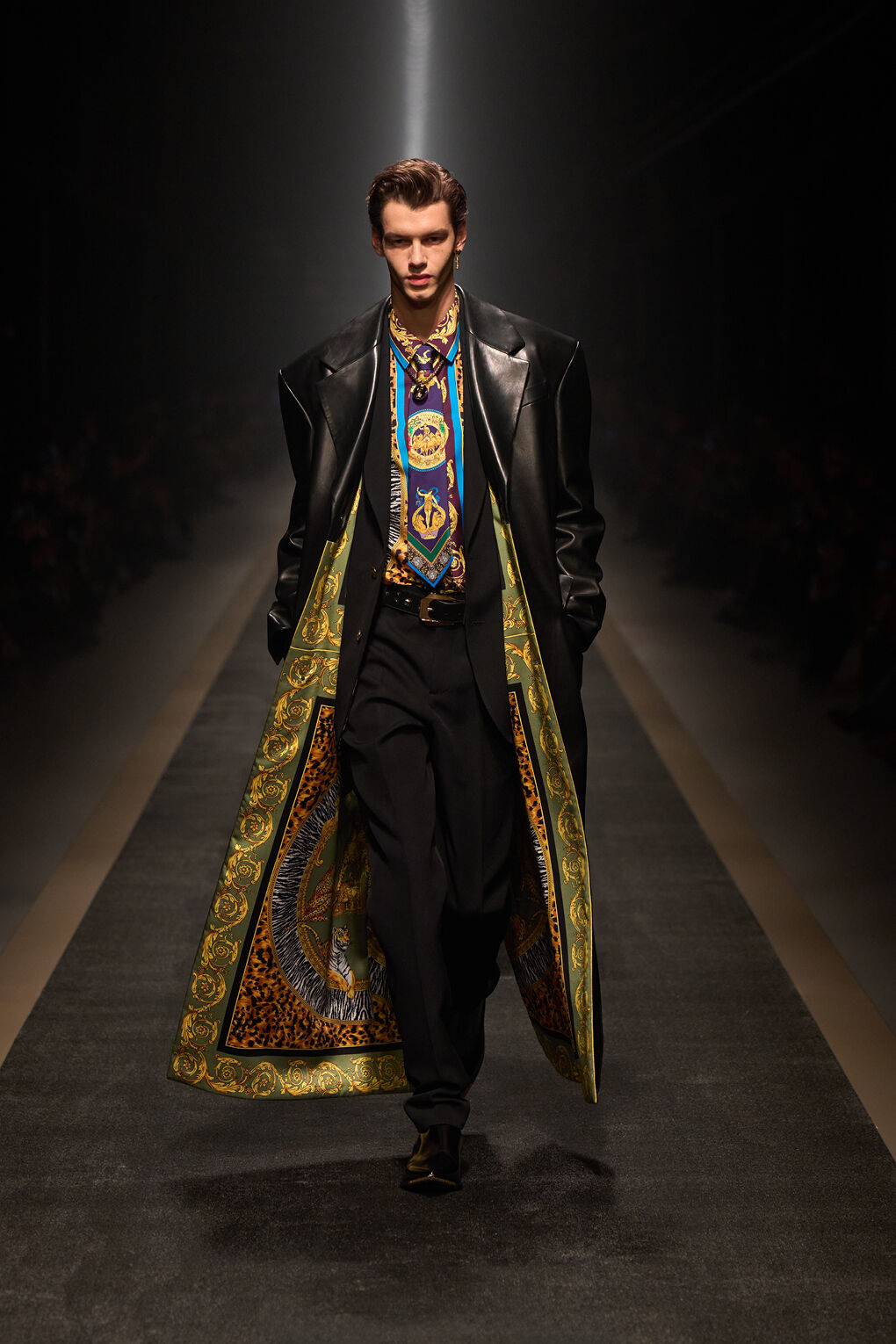
Versace (@versace). The house’s jewelry-forward, body-celebratory aesthetic and gleaming hardware are a direct ancestor of the gold-cuff and croc-effect bag elements Pinterest highlights.

Saint Laurent (@ysl / SaintLaurent). Anthony Vaccarello’s sharp tailoring and recurring power shapes often read ’80s-inspired; Saint Laurent shows regularly get cited in pieces about shoulder revival. Anthony Vaccarello’s (Saint Laurent) tailoring and celebrity-heavy front rows help normalize the shoulder silhouette on red carpets and editorial spreads.
How to Do It
Glamoratti is visual and tactile; campaigns should be too. Below is a tactical playbook for different brand types and budgets.

Creative direction & product
-
Product moments > product overhaul. If your core merch isn’t shoulder-pad-compatible, focus on accessories: chunky belts, statement cuffs, bold hardware on bags, funnel-neck jackets, and reworked blazers. Accessories deliver trend relevance fast and with lower inventory risk. (Pinterest shows accessory search lifts like “chunky belt” +65%.)
- Texture & finish matter. Inject patent finishes, croc textures, polished metals and satin. These materials photograph well and read as luxe on both hero product imagery and user-generated content. Editorial and runway callouts for these materials are already in circulation.
Content & creative types to produce
-
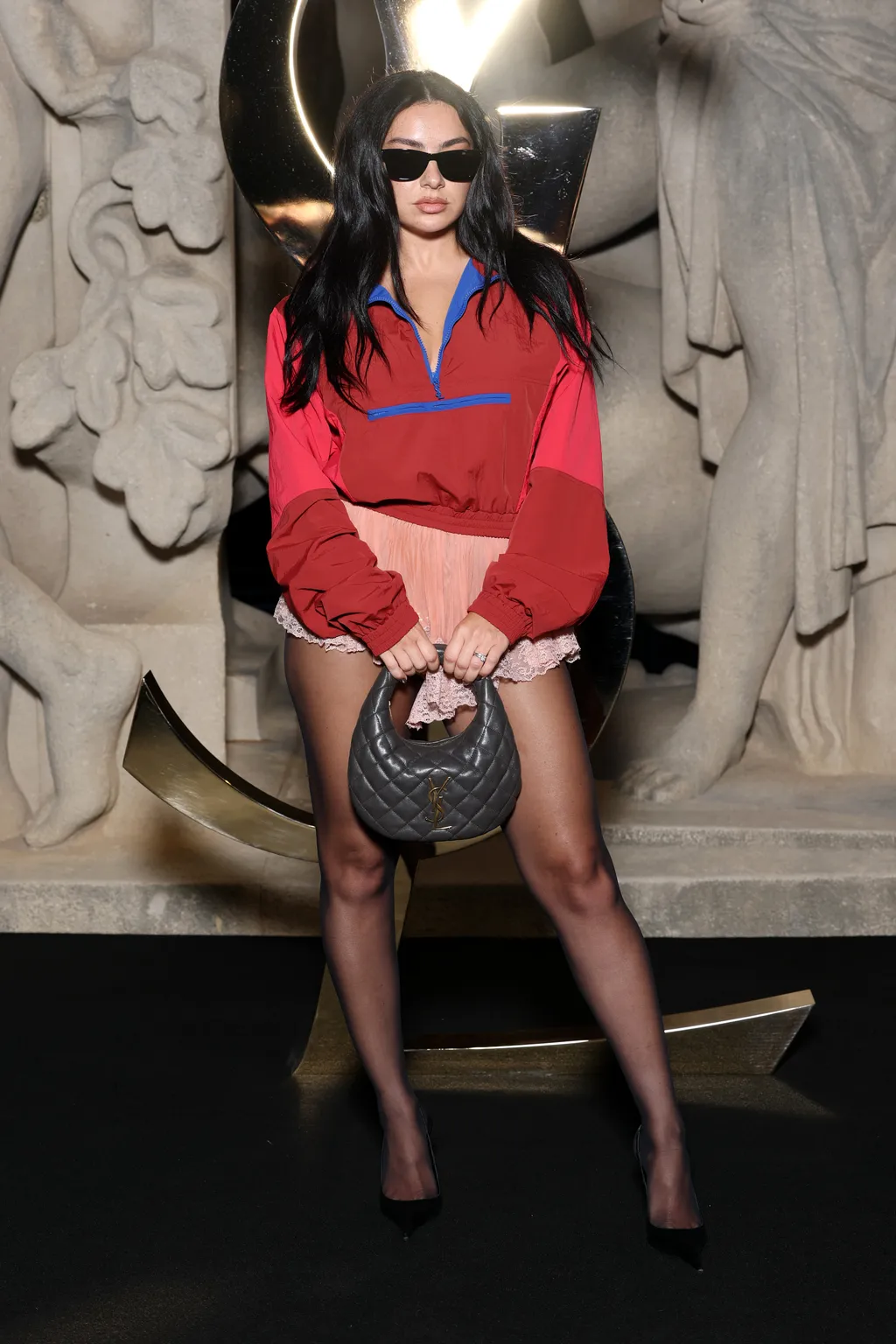
Hero editorial shoot (high impact). Create a short lookbook with funnel collars, oversized tailoring and sculptural jewelry. Use dramatic lighting, bold makeup, and close crop shots on accessories for social carousels and reels. Link the editorial to a “Shop the Trend” landing page. (Tip: repurpose stills into TikTok/Instagram story GIFs.)
- Micro how-to videos. Quick reels: “3 ways to style a chunky belt,” “How to add a gold cuff to a casual outfit,” “From minimal to Glamoratti in 60 sec.” These formats convert — editorial sources show accessory stacking and belt stacking performing strongly in social discovery.
- UGC + influencer capsules. Send sample cuffs, belts or blazers to micro-influencers asking for “outfit transition” content: minimal day → maximal night (before/after transitions perform strongly). Leverage creators who already play with 80s nostalgia or power dressing (e.g., the celebrities and stylist accounts listed earlier).
Paid & organic amplification
-
Pinterest as a must-use channel. Given Pinterest’s predictive data and the fact that this trend originated there, prioritize Pinterest ads and shoppable idea pins for discovery. Create vertical, aspirational pins that tag product links and “how to shop” moodboards.
- Shopping feeds & paid social. Use video creatives for Instagram and TikTok that showcase movement — clinking cuffs, the sway of an oversized blazer — and test “accessory-first” ads (e.g., gold cuff-focused carousel). Editors note that jewelry and accessories are primary entry points for this maximalist wave, making them great candidates for low CPC test budgets.
Merchandising & UX (eCommerce)
-
Create a “Glamoratti” editorial landing page. Curate products by function: “Power Shoulders,” “Statement Jewelry,” “Funnel Coats,” “Accessory Stack.” Use editorial copy, product bundles, and shoppable editorial imagery.
-
Cross-sell strategically. On a blazer PDP, recommend “Shop the Look” accessories: cuff + chunky belt + patent heels. Accessories lift AOV and give skeptical buyers an inexpensive way to try the trend.
The Takeaway
Glamoratti is both a runway story and a cultural mood — it’s measurable (Pinterest search lifts), visible on runways (Balmain, Versace, Saint Laurent coverage), and amplified by celebrities, social editors, and creators. For brands, it’s an opportunity to participate without retooling everything: accessories, campaign direction, and content-first activations are the fastest levers.
Understand Shopping Trends
We’re dropping our next newsletter in December 2026. Sign up for exclusive freebies, giveaways, and industry insights.