You did it. You launched your Shopify store. Cue the confetti, dramatic movie soundtrack, and approximately 47 browser tabs explaining taxes, shipping rates, and why your product photos suddenly look slightly haunted on mobile.
Starting an e-commerce store is exciting. It’s also overwhelming. Most small business owners sign up for Shopify, choose a theme, upload products, and then assume the sales should start casually rolling in while they sleep.
Sometimes that happens.
Most of the time? Not so much.
Because here’s the thing nobody tells you: having a Shopify subscription and actually using Shopify well are two very different things.
It’s a little like paying for a gym membership and only using the water fountain. Shopify is packed with powerful tools designed to help you sell more, automate tasks, improve customer retention, and grow your business. But many store owners barely scratch the surface. They’re paying monthly fees for features they either forgot to set up, didn’t know existed, or accidentally abandoned after a late-night “I’ll figure this out tomorrow” spiral.
And honestly? We get it.
Most business owners aren’t trying to become accidental web developers, email marketers, SEO strategists, inventory managers, and Meta ad specialists overnight. You started a business because you care about your products—not because troubleshooting integrations sounded fun. That’s exactly why we love helping small businesses get the most out of Shopify.
Advice for Every Shopify Store Owner
Recently, we worked with a newer retail business owner who already had a Shopify store up and running. The bones were there. The products were there. The ambition was definitely there.
But like many newer Shopify stores, there were some missed opportunities quietly sitting in the background. Navigation needed work. Integrations weren’t fully connected. Content marketing wasn’t pulling its weight. The homepage wasn’t guiding customers toward conversions.
In other words: the store existed—but it wasn’t working nearly as hard as it could. So let’s talk about the biggest things every Shopify store owner should do if they want to stop underusing their subscription and start turning Shopify into the hardworking employee it was always meant to be.
1. Stop Treating Your Homepage Like a Junk Drawer
We need to have a gentle conversation about homepages. If your homepage currently looks like someone emptied an entire garage into one room and said, “Good luck,” we should probably fix that. Many Shopify stores accidentally create homepages that are visually overwhelming, confusing, or completely directionless. Customers land there and immediately think:
“Cool… but where do I click?”
A homepage should guide people—not confuse them.
Think of it like hosting a dinner party. You wouldn’t open the front door and scream:
“WELCOME. HERE ARE 97 OPTIONS. FIGURE IT OUT.”
You’d guide people.
“Drinks are here. Snacks are there. Make yourself comfortable.”
That same logic applies to Shopify.
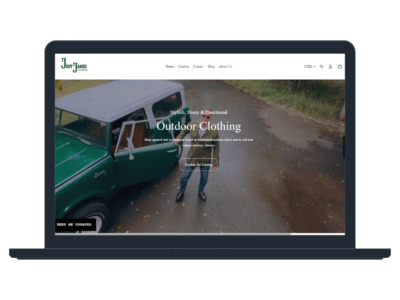
For this retail client, one of the first improvements we tackled was restructuring the homepage experience. Instead of making customers hunt around for products, we reorganized inventory into clear apparel categories and created a more intuitive shopping path.
The result?
Customers could actually find what they wanted without rage-clicking through seventeen menus.
Revolutionary, we know.
A strong Shopify homepage should immediately answer:
- What do you sell?
- Why should people care?
- Where should they click first?
- What are your bestselling or featured products?
- What action do you want visitors to take?
The easier you make shopping, the more likely people are to buy.
Wild concept.
2. Your Navigation Should Make Sense to Actual Humans
Here’s a quick test: Ask someone who has never visited your website to find a product in under 30 seconds. If they stare at your menu like it’s an SAT question, you’ve got work to do. Navigation matters more than most store owners realize because confused customers don’t stick around. They leave.
Quietly.
Without telling you.
And they absolutely do not send polite emails saying:
“Hello, I found your website mildly inconvenient.”
Nope. They vanish.
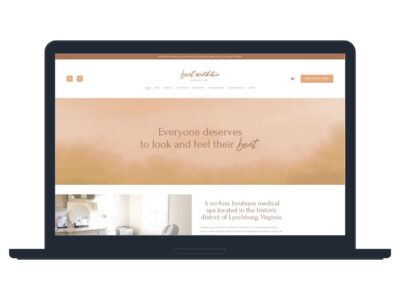
One of the smartest updates we made for our client’s Shopify store was simplifying product organization into clear shopping categories. Not only did this improve customer experience, but it also gave the site an SEO boost.
Why?
Because better organization helps search engines understand your content too. Google likes structure. Customers like structure. Everyone wins.
A few navigation mistakes we see all the time:
The Mystery Menu
Category names like:
- “Collections”
- “Lifestyle”
- “The Experience”
What does that mean?
No one knows.
Instead, be ridiculously clear:
- Men’s Apparel
- Accessories
- Best Sellers
- New Arrivals
- Gifts Under $50
Clarity converts.
Too Many Choices
When everything is important, nothing is important.
If your menu has 19 dropdowns and resembles a corporate org chart, simplify.
Your customers are shopping—not completing a scavenger hunt.
Hiding Best Sellers
If something sells well, show it off.
People love social proof. If others are buying something, shoppers feel more confident buying too. Sometimes small navigation changes can dramatically improve conversion rates without needing a complete redesign. And that’s important because not every business needs a flashy, expensive rebuild. Sometimes your website just needs someone to lovingly say: “Hey… this could work way better.”
3. Set Up Your Email Marketing Before You “Need It”
If you wait to set up email marketing until sales slow down, you waited too long. Email marketing is one of the highest ROI tools available to Shopify stores, yet it’s also one of the most neglected.
Which is surprising because store owners love saying: “I wish customers would come back.”
Friend. That’s literally what email marketing is for.
For this Shopify project, we integrated the client’s store with an email marketing CRM to help nurture customer relationships and increase repeat purchases.
Because acquiring customers is expensive.
Keeping customers? Way cheaper.
A properly connected Shopify email setup can help you:
Recover Abandoned Carts
Someone added products to their cart and disappeared?
Classic internet behavior.
Automated emails can gently remind customers to finish checkout.
Sometimes people got distracted.
Sometimes their dog threw up. A reminder works.
Welcome New Customers
Your welcome email matters.
Don’t just say:
“Thanks.”
Build trust.
Tell your story. Share bestsellers. Offer styling tips. Introduce your brand personality.
Promote Product Launches
New arrivals shouldn’t live and die in an Instagram Story after 24 hours. Email gives your launches longevity.
Build Loyalty
Repeat customers are gold. Targeted campaigns, exclusive perks, and relevant updates help strengthen relationships over time. And no—you do not need to send daily “BUY NOW” emails that make everyone quietly unsubscribe. Please don’t be that brand.
4. If Your Shopify Store Isn’t Connected to Meta Shops, You’re Leaving Visibility on the Table
We know. Meta setup can feel approximately as enjoyable as assembling furniture with missing instructions. But connecting Shopify to Meta Shops and Ads matters. A lot.
For this client, we integrated Shopify with Meta Shops so inventory synced automatically and products could appear across platforms.
Why does this matter?
Because modern shoppers don’t always discover products on your website first.
They discover them on:
- Reels
- Ads
- Product tagging
Your store should meet customers where they already spend time scrolling. (Which, statistically speaking, is… a lot.)
When integrations are done properly, your products stay synced across systems, reducing manual updates and preventing inventory nightmares. Because nothing says “small business stress” like overselling something you no longer have in stock.
5. Your Blog Shouldn’t Feel Like a Forgotten Basement
Let’s talk about the most neglected page on many Shopify sites: The blog.
You know. That thing you created in 2022 and haven’t looked at since.
Many store owners assume blogging is optional.
Technically? Sure.
Strategically? Not really.
Especially if you want organic traffic.

Understand Shopping Trends
We’re dropping our next newsletter in December 2026. Sign up for exclusive freebies, giveaways, and industry insights.