Every year Pinterest releases a list of trend predictions that inevitably spark a mix of excitement, skepticism, and confusion. Some trends feel obvious. Others seem destined for a very specific corner of the internet. Then there are the predictions that make everyone stop and ask the same question: “Really?”
Opera Aesthetic was one of those trends.
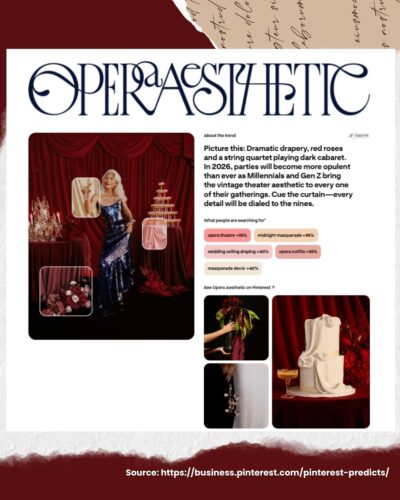
At first glance, it felt like a strange choice for 2026. The trend was described through images of velvet curtains, ornate architecture, dramatic evening wear, gilded details, theater interiors, classical performances, and a general sense of unapologetic grandeur. It looked less like something designed for social media and more like a scene from a nineteenth-century painting.
In an era obsessed with casualness, comfort, and accessibility, opera seemed like an unlikely source of inspiration. The cultural stereotypes surrounding opera don’t exactly help. For many people, it conjures images of old money, elite social circles, expensive tickets, and traditions that feel disconnected from everyday life.
Yet as the year has unfolded, the Opera Aesthetic has proven to be more interesting than a simple trend forecast. Like many of Pinterest’s strongest predictions, it isn’t really about the thing itself.
The brooch trend wasn’t actually about brooches. The rise of thrift culture wasn’t really about secondhand clothing. And Opera Aesthetic isn’t really about opera.
It’s about the growing desire for beauty, craftsmanship, artistic expression, and cultural experiences that feel deeply human. More importantly, it may represent a quiet rebellion against many of the forces shaping modern culture.
The Curious Timing of Opera Aesthetic
The timing of this trend is what makes it fascinating. For decades, arts education has faced shrinking budgets. Across the country, schools have reduced funding for music, theater, visual arts, and creative programs in favor of subjects viewed as more practical or economically valuable.
At the same time, technology has accelerated a culture of speed and convenience. We consume entertainment through algorithms. We scroll past hundreds of images a day. Artificial intelligence can generate artwork, music, writing, and photography in seconds.
The message many people receive is clear: efficiency matters more than artistry. That’s what makes the popularity of Opera Aesthetic feel so unexpected.
It celebrates exactly the things modern culture often treats as expendable. The trend embraces craftsmanship over efficiency. It values performance over convenience. It highlights architecture, music, costume design, stage production, and artistic mastery that require years—sometimes decades—to develop.
In many ways, Opera Aesthetic asks a question that feels increasingly relevant: What happens when society stops valuing the arts? The answer, perhaps surprisingly, is that people begin seeking them out even more
Beauty as Resistance
Throughout history, artistic movements have often emerged as reactions against the dominant culture of their time. When industrialization transformed cities, the Arts and Crafts movement celebrated handmade goods. When mass production became the norm, people began valuing artisanship.
When digital photography became ubiquitous, film photography experienced a resurgence. The same pattern may be playing out now.
As more aspects of life become automated, algorithmic, and optimized, many people are rediscovering the appeal of experiences that feel intentionally human. This is where Opera Aesthetic becomes less about luxury and more about resistance. Not resistance in a political sense, but resistance against disposability. Resistance against replacing every creative act with automation. Resistance against the idea that art only matters when it can be monetized, scaled, or optimized.
It’s impossible to ignore the cultural backdrop surrounding this trend. Public debates continue around artificial intelligence and creative ownership. Artists, writers, musicians, and designers are increasingly concerned about their work being used to train AI systems without consent or compensation. Funding for arts programs remains under pressure in many communities. Creative careers are often dismissed as impractical despite the enormous cultural and economic value they generate.
Against that backdrop, choosing to attend a local performance, support an artist, purchase handmade goods, or engage with creative communities begins to feel like a meaningful act. Opera Aesthetic may look glamorous on the surface, but underneath the velvet and gold accents is a deeper appreciation for human creativity itself.
The Return of the Patron
One of the most interesting conversations sparked by this trend is the idea of patronage. Historically, patrons were wealthy individuals who financially supported artists, musicians, writers, and performers. Without patrons, much of the world’s greatest art would never have existed.
Today, the concept feels outdated. Most people don’t think of themselves as patrons. But perhaps they should.
Every time someone buys from a local artisan, commissions a custom piece, attends a community theater production, purchases handmade jewelry, visits a gallery, or supports a local musician, they are participating in a modern form of patronage.
You don’t need a mansion or a family crest to support the arts. You just need to care.
This reframing feels especially important for small towns and local communities. There’s a tendency to associate culture exclusively with major cities. People imagine opera houses in New York, galleries in Los Angeles, or symphonies in Chicago. Meanwhile, countless local theaters, arts organizations, music programs, museums, and community arts centers continue creating meaningful cultural experiences in places that rarely receive national attention.
Opera Aesthetic challenges the idea that appreciation for the arts belongs only to wealthy urban elites. The reality is that artistic communities exist everywhere. Sometimes they’re just hiding in plain sight.
What This Means for Retail Brands
For retail brands, this trend presents an opportunity that goes far beyond aesthetics. Many brands are constantly searching for fresh visual environments for product photography. They rent studios, build elaborate sets, and chase the latest social media trends. Meanwhile, some of the most visually compelling locations may already exist within their communities.
- Local theaters.
- Historic performance venues.
- Community arts centers.
- Museums.
- Independent galleries.
- Architectural landmarks.
- Music halls.
- Creative studios.
These spaces offer something increasingly rare in modern marketing: authenticity. They’re built around creativity rather than commerce. That distinction matters.
When a handmade leather bag is photographed in a local theater lobby, the image communicates more than style. It suggests craftsmanship. It suggests tradition. It suggests artistry. When a clothing brand collaborates with local performers, painters, musicians, or makers, the resulting content feels layered and meaningful. The products become part of a larger cultural story. Consumers respond to those stories because they help products feel connected to real people and real communities.
Handmade Goods and the Arts Share the Same DNA
One reason Opera Aesthetic resonates so strongly with retail brands is that many handmade products already embody the same values. Think about what goes into creating a handcrafted product. Time. Skill. Practice. Attention to detail. Creative vision.
The same ingredients exist in virtually every artistic discipline. A ceramic artist shaping clay by hand isn’t all that different from a costume designer creating garments for a performance. A leatherworker perfecting a bag shares common ground with a violin maker crafting an instrument. A small-batch jewelry designer understands many of the same principles as a sculptor.
Both art and handmade commerce ask consumers to value process rather than just outcomes. They encourage appreciation for the human effort behind the finished piece. In a world increasingly focused on speed and automation, that connection becomes incredibly powerful.

The vintage theatre aesthetic is taking over interiors in 2026 — and it’s pure drama, House Beautiful
Why This Content Performs So Well
From a marketing perspective, Opera Aesthetic succeeds because it creates visual depth. Social media is saturated with minimalism. White walls. White backgrounds. Perfect lighting. Perfect poses. Perfectly optimized content.
Opera-inspired imagery offers something different. Rich textures. Layered environments. Architectural details. Storytelling opportunities. Visual drama.
Even brands that don’t sell luxury products can borrow these principles. A handmade candle photographed backstage at a local theater suddenly feels more cinematic. A clothing collection shot inside a historic venue gains character and context. A jewelry brand collaborating with local performers creates content that feels editorial rather than transactional. The goal isn’t to pretend every brand is selling luxury. The goal is to connect products to creativity.
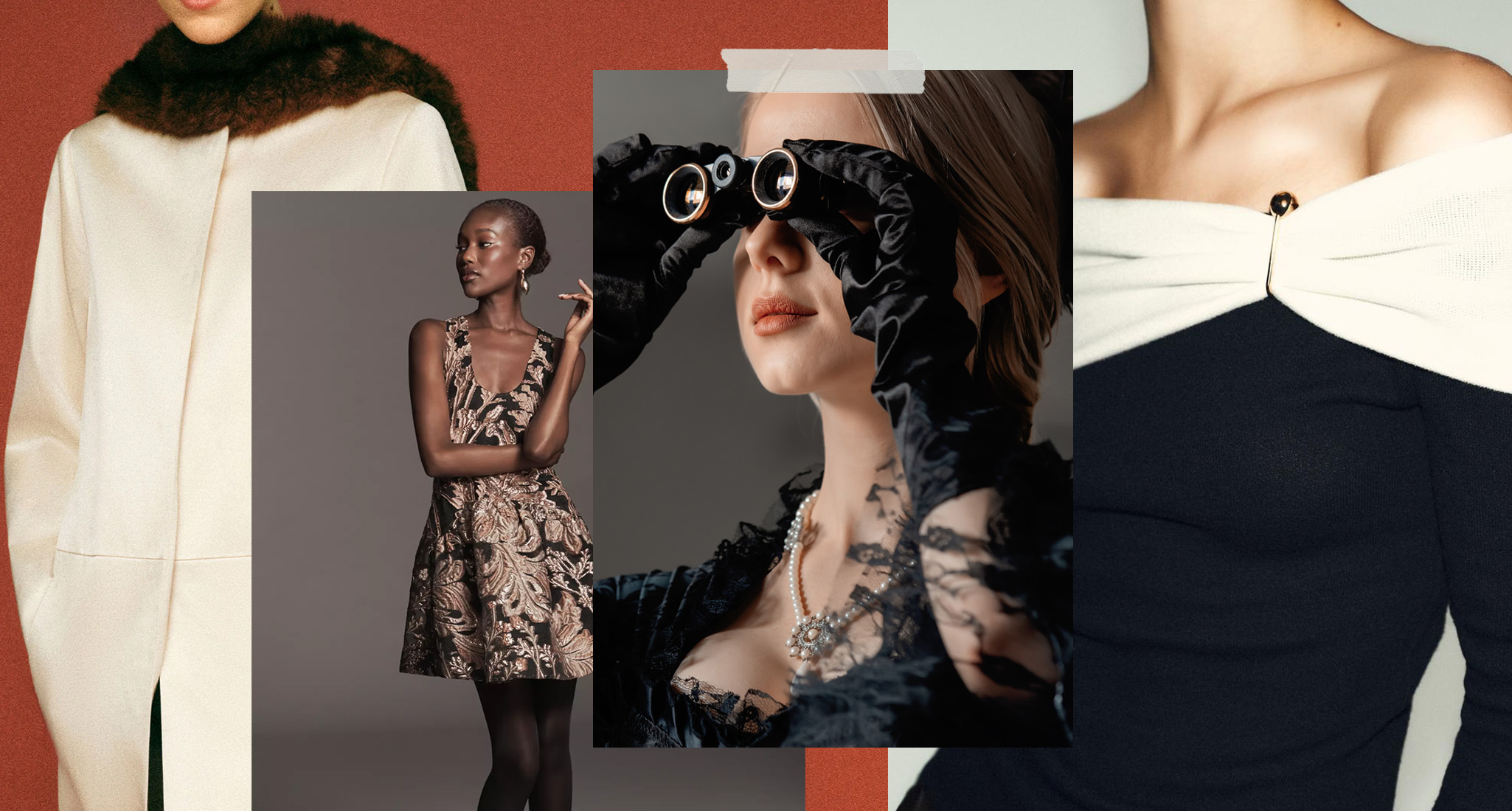
Drama! Glamour! The Operacore Aesthetic Is Taking Over Our Evening Wear, PureWow
Looking Beyond the Trend
Like all Pinterest predictions, Opera Aesthetic will eventually evolve into something else. The specific visual cues may fade. The dramatic gowns may disappear. The velvet curtains may retreat back into the theater. But the cultural forces driving the trend are likely to remain.
People are searching for meaning. They’re seeking experiences that feel tangible and memorable. They’re looking for opportunities to support creativity in a world increasingly shaped by automation. And they’re rediscovering the value of institutions, artists, and communities that preserve culture.
For brands, that’s an important lesson. The future of marketing may not belong exclusively to bigger algorithms, faster content production, or more sophisticated automation. It may belong to brands that understand how to tell human stories.

How Fashion Fell Hard for Opera, Elle Magazine
The Curtain Call
At first glance, Opera Aesthetic seemed like one of Pinterest’s most surprising predictions for 2026. Halfway through the year, it feels surprisingly relevant. Not because everyone suddenly wants season tickets to the opera. Not because consumers are trying to imitate aristocratic lifestyles. But because people are searching for beauty, craftsmanship, and cultural connection at a moment when those things often feel undervalued. For retailers, makers, and creative brands, that’s an opportunity worth paying attention to.
The most compelling partnerships may not be with influencers or algorithms. They may be with the local theater down the street. The community arts center around the corner. The gallery hosting a student exhibition. The musicians, painters, actors, dancers, and makers quietly building culture in their communities.
Opera Aesthetic reminds us that supporting the arts isn’t an old-fashioned idea. It’s a modern one. And in 2026, choosing creativity may be one of the most stylish acts of rebellion available.
Additional Reading:
- Timothée Chalamet triggers backlash over ballet and opera remarks, BBC
Understand Shopping Trends
We’re dropping our next newsletter in December 2026. Sign up for exclusive freebies, giveaways, and industry insights.