As the sun beams down and temperatures rise, many boutique owners and small online stores notice a dip in sales during June and July. Unless your business is nestled in a bustling tourist destination, summer can feel like a slow season. However, don’t let these quieter months discourage you. Instead, use this time strategically to prepare for the bustling holiday shopping season. A little preparation now can lead to a significant boost in sales later. Here are seven summer tasks to get you ready for the 2025 holiday shopping season.
Holiday Planning Starts Now
While the holidays may seem far off, planning your marketing strategy now can save you a lot of stress later. Outline your holiday campaigns, decide on key sales dates, and set clear goals. Think about creative ways to stand out, such as unique promotions or collaborations with influencers that align with your brand.

Set your tracking links
If you’re not already using tracking links on your campaign, now is the time to set them up. One of the most effective ways to track the performance of your ads is by using tracking links with UTM codes. You’ll want to have insight into which channels are working best for you. It’s easy to create at ga-dev-tools.google/ga4/campaign-url-builder .
What are UTM Codes?
UTM (Urchin Tracking Module) codes are snippets of text added to the end of a URL to help you track the effectiveness of your campaigns across different traffic sources and marketing mediums. These parameters can tell you exactly where your traffic is coming from, which campaign it belongs to, and which specific content or ad is driving the engagement.
Key Components of a UTM Code
A UTM code typically includes five parameters:
- utm_source: Identifies the platform or source of the traffic (e.g., Facebook, Google, newsletter).
- utm_medium: Specifies the medium or channel (e.g., CPC, email, social).
- utm_campaign: Used to define a specific campaign name (e.g., spring_sale, launch_event).
- utm_term: An optional parameter used for paid search tracking to identify keywords.
- utm_content: Another optional parameter used to differentiate similar content or links within the same ad or campaign (e.g., banner_ad, email_link).
How to Create UTM Codes
Creating UTM codes is a straightforward process and can be done manually or with the help of online tools. Here’s a step-by-step guide to help you create UTM codes for your ad campaigns.
Step 1: Define Your Campaign Parameters
Before you start building your UTM codes, it’s essential to clearly define the parameters you want to track. Consider the platforms you’re using, the specific campaigns you’re running, and the type of content you’ll be distributing.
Step 2: Use a UTM Builder Tool
While you can manually add UTM parameters to your URLs, using a UTM builder tool can simplify the process and reduce the risk of errors. Google’s Campaign URL Builder is a popular choice and can be accessed online.
- Enter your website URL: Start by entering the URL of the page you want to link to.
- Fill in the UTM parameters: Enter the source, medium, and campaign name. If applicable, include the term and content parameters.
- Generate the URL: Once you’ve filled in the necessary fields, the tool will automatically generate a URL with your UTM parameters attached.
Step 3: Implement Your Tracking Links
After generating your UTM-coded URLs, it’s time to implement them in your ad campaigns. Ensure that the links are used consistently across your ads, social media posts, email campaigns, or any other marketing channels.
Step 4: Analyze the Data
Once your campaigns are live, you can start analyzing the data collected through your UTM codes. Use platforms like Google Analytics to track and measure the performance of your campaigns. Look for insights such as which sources are driving the most traffic, which campaigns are converting the best, and how different content is performing.
UTM codes are powerful tools for any digital marketer looking to gain deeper insights into their advertising efforts. By tracking where your traffic comes from and how different campaigns perform, you can make informed decisions to refine your strategies and ultimately achieve better results. Start incorporating UTM codes today to unlock the full potential of your ad campaigns and elevate your marketing success!
Map out your drops
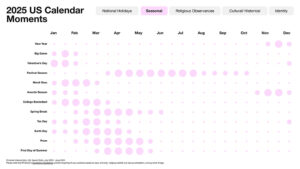
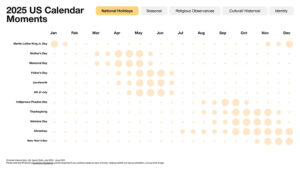
Get that calendar planned out with your sales and new product drops leading up to Black Friday. Otherwise, it sneaks up quickly. There’s only so many weekends between June and the end of October! Follow these steps to get your fall drops on the calendar.
Step 1: Plan Your Collection
1. Define Your Theme and Target Audience
Begin by defining a clear theme for your collection. Consider current fashion trends, seasonal changes, or unique styles that align with your boutique’s brand identity. Understanding your target audience is crucial. Who are they? What are their preferences? Tailor your collection to meet their needs and desires.
2. Set a Budget and Timeline
Establish a budget for your collection that includes costs for design, production, marketing, and logistics. Create a timeline that outlines each step from concept to launch. Ideally, this process should begin 3-6 months before your launch date.
3. Source Materials and Finalize Designs
Work with designers and suppliers to finalize designs and source materials. Ensure quality and align each piece with your boutique’s standards. Consider producing a limited quantity to create exclusivity and urgency among customers.
Step 2: Update Your Online Store
1. Prepare Your Platform
Ensure your online store is ready to handle increased traffic. Check that your website is mobile-friendly, user-friendly, and secure. Update your website’s design to reflect the new collection’s theme.
2. Create Engaging Product Descriptions
Write detailed and engaging product descriptions that highlight the unique features and benefits of each item. Use high-quality images and videos to showcase the collection from different angles.
3. Test the Shopping Experience
Before launching, perform a thorough test of the shopping experience. This includes the checkout process, payment gateways, and customer service systems. Ensure everything functions smoothly to prevent any issues during the launch.



Step 3: Promote via Social Media and Email
1. Develop a Marketing Strategy
Create a comprehensive marketing strategy that includes social media, email campaigns, and influencer collaborations. Plan how you will use each platform to reach your audience effectively.
2. Build Anticipation
Start building anticipation at least 4-6 weeks before your launch. Use teasers, sneak peeks, and countdowns on social media to engage your audience. Share behind-the-scenes content to give your followers insight into the design process.
3. Utilize Email Marketing
Craft compelling email campaigns to keep your subscribers informed and excited. Offer exclusive previews or early access to generate interest and motivate purchases. Personalized content can significantly increase engagement and conversions.
4. Leverage Influencer Partnerships
Partner with influencers who resonate with your brand’s aesthetic and values. They can help amplify your reach by showcasing your collection to their followers. Coordinate with them to create authentic, engaging content that highlights your new collection.
Step 4: Launch Day and Beyond
1. Create a Launch Event
Host an online launch event or live stream to introduce your collection. This could include a fashion show, a styling session, or a Q&A with the designers. Engage with your audience in real time to create a memorable experience.
2. Offer Time-Sensitive Discounts
To encourage fast sales, offer limited-time discounts or bundles on launch day. This creates a sense of urgency and can boost immediate purchases.
3. Monitor and Analyze Performance
After the launch, closely monitor sales data and customer feedback. Analyze what worked and what didn’t, and adjust your strategies accordingly for future collections.
By following these steps, your boutique will be well-prepared to successfully launch a new collection online. With careful planning, strategic marketing, and an engaging customer experience, you’ll be able to captivate your audience and achieve fast sales.

Build that email list
Summer sales tend to slow down. Shifting strategies to building up your email list can stretch marketing initiatives further. Run an offer and start building up those buyer profiles — so you can target them hard in the fall. Building strong relationships with your customers is crucial for encouraging loyalty and repeat purchases. Consider offering exclusive summer promotions or sneak peeks of upcoming holiday products to keep them excited and engaged.
1. Understand the Value of an Email List
Before diving into the “how,” it’s essential to grasp the “why.” An email list allows you to:
- Reach Your Audience Directly: Communicate with your customers without relying on social media algorithms.
- Build Stronger Relationships: Personalize your messages and create a more intimate connection with your audience.
- Increase Sales: Promote new products, offer exclusive discounts, and encourage repeat purchases.
An email list is not just a collection of addresses; it’s a direct line to potential customers eager to learn about your products, promotions, and brand story. Here’s how you can build an effective email list that will help you connect with your audience and boost your sales.
2. Create Compelling Sign-Up Incentives
People are more likely to share their email addresses if they receive something valuable in return. Consider offering:
- Exclusive Discounts or Coupons: A small discount on their first purchase can be a great motivator.
- Free Resources or Guides: If you’re selling products that require some knowledge, offer a free guide or tutorial.
- Entry into a Giveaway: Hosting a contest or giveaway can be an exciting way to encourage sign-ups.
3. Optimize Your Website for Sign-Ups
Your website is a primary touchpoint for potential customers. Make sure it’s easy for them to join your email list:
- Prominent Sign-Up Forms: Place sign-up forms in visible areas like the homepage, blog posts, and checkout pages.
- Exit-Intent Popups: Capture visitors before they leave with a popup offering an incentive.
- Mobile-Friendly Design: Ensure your forms are easy to fill out on mobile devices.
4. Leverage Social Media
Social media platforms are excellent channels for promoting your email list:
- Promote Sign-Up Incentives: Share posts about the benefits of joining your email list.
- Use Call-to-Actions: Encourage followers to subscribe by linking to your sign-up page in your bio or stories.
- Engage with Your Audience: Build relationships with potential customers and guide them towards your email list.
5. Offer Value Through Content
Once you’ve built an email list, it’s essential to keep your subscribers engaged:
- Send Regular Newsletters: Share updates, stories, and valuable information tailored to your audience.
- Personalize Your Content: Use subscriber data to personalize emails based on preferences and behaviors.
- Ask for Feedback: Encourage subscribers to share their thoughts and ideas about your products and services.
6. Monitor and Adapt Your Strategy
Building an email list is not a one-time task. It’s an ongoing process that requires regular adjustments:
- Analyze Performance: Use analytics tools to track open rates, click-through rates, and conversions.
- A/B Test Your Emails: Experiment with different subject lines, content, and send times to find what resonates best.
- Stay Compliant: Follow email marketing regulations and best practices to maintain trust and credibility.
By following these steps, shop owners can effectively build and maintain an email list that not only grows their customer base but also fosters long-term loyalty. Remember, the key to success is providing genuine value and maintaining open lines of communication with your audience.
Create the shopping guides
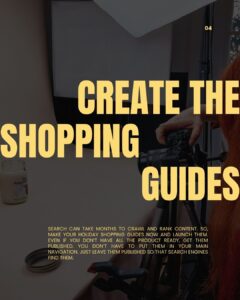
Search can take months to crawl and rank content. So, make your holiday shopping guides now and launch them. Even if you don’t have all the product ready, get them published. You don’t have to put them in your main navigation. Just leave them published so that search engines find them.
Creating a shopping guide for your online store is a powerful strategy that can serve multiple purposes. Not only does it enhance your website’s SEO, but it also provides valuable content for your social media channels and guides your prospective customers toward making a purchase. Here are some tips for writing an effective shopping guide that can help boost your boutique’s online presence.
Understand Your Audience
Before you start writing, it’s crucial to understand who your audience is. Consider their preferences, shopping habits, and questions they might have. Are they looking for sustainable fashion, tech gadgets, or unique home decor? Tailoring your guide to their interests will make it more relevant and engaging.
Focus on SEO
Incorporating SEO best practices into your shopping guide can improve your search engine rankings. Here’s how:
- Keyword Research: Identify relevant keywords that your target audience might use when searching for products like yours. Use tools like Google Keyword Planner or SEMrush to find effective keywords.
- Natural Integration: Integrate these keywords naturally throughout your guide, including in headings, subheadings, and the body text.
- Meta Descriptions: Write compelling meta descriptions for your guide to entice users to click through from search results.



Structure Your Guide
An organized structure not only improves readability but also SEO. Use headings and subheadings to break down sections, making it easier for readers to skim and find what they need. Consider the following structure:
- Introduction: Briefly explain what the guide covers and its benefits.
- Product Categories: Divide your guide into sections based on different product categories or themes.
- Buying Tips: Offer tips on what to consider when purchasing products in each category.
- Call to Action: Encourage readers to explore your products and make a purchase.
Add Visual Appeal
People are naturally drawn to visuals, so enhance your guide with high-quality images and videos of your products. This not only makes your guide more attractive but also helps potential buyers visualize their purchases.
Provide Value
Your shopping guide should offer valuable information that helps customers make informed decisions. Include insights on product features, benefits, and comparisons. The more value you provide, the more likely customers are to trust your brand and make a purchase.
Leverage Social Media
Once your shopping guide is live, promote it across your social media platforms. Here are some ways to do this:
- Share Snippets: Post interesting excerpts or tips from your guide to entice followers to read the full version.
- Create Visuals: Use eye-catching graphics or infographics to summarize key points.
- Engage Your Audience: Encourage followers to share their own shopping tips or experiences related to your products.
Monitor and Optimize
After publishing your shopping guide, track its performance using analytics tools. Monitor metrics like page views, time on page, and conversion rates. Use this data to refine your guide, making it even more effective over time.
A well-crafted shopping guide is more than just a helpful resource for your customers; it’s a strategic tool that enhances your store’s SEO, enriches your social media content, and ultimately drives sales. By understanding your audience, focusing on SEO, and providing valuable insights, your shopping guide can become an indispensable part of your online boutique’s success.

Make those pins
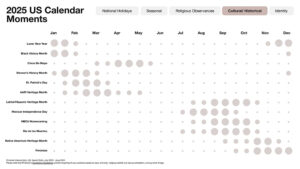
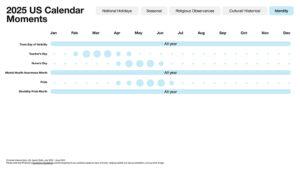
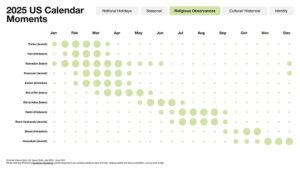
Similar to the shopping guide pages, get your shopping guide pins posted now. They’ll need that extra time to rank organically. Then, when the holidays come, Pinterest will favor them because they’re older, more trusted content.
One of the most effective ways to enhance visibility and drive traffic to your online store is through the strategic use of organic pins on Pinterest. While many businesses focus their efforts on paid advertising, organic pins offer a sustainable and cost-effective approach to long-term marketing success. In this blog post, we’ll explore why creating organic pins should be a key component of your marketing strategy and how their unique characteristics can benefit your business over time.
Understanding Organic Pins
Organic pins are free content that you create and share on Pinterest without any paid promotion. Unlike ads, organic pins rely on engaging and relevant content to organically reach users through search and discovery on the platform. They are an ideal way to showcase your products, share valuable information, and build a brand presence that resonates with Pinterest’s audience.
The Power of Evergreen Content
One of the most crucial aspects of successful organic pins is the creation of evergreen content. This type of content remains relevant and valuable over a long period, making it a perfect fit for Pinterest, where pins can take several months to gain significant traction. Here are a few reasons why evergreen content is essential:
- Longevity: Unlike time-sensitive posts that may quickly become outdated, evergreen content can drive consistent traffic to your store for months or even years.
- Relevance: Topics that have lasting appeal ensure that your pins continue to attract interest and engagement over time.
- Optimization: Evergreen content provides ample opportunities for SEO optimization, making it easier for users to discover your pins through search.
The Domino Effect of Reach and Engagement
One of the most exciting aspects of using organic pins is the domino effect of reach and engagement that occurs as your pins are saved and shared over time. Here’s how this process unfolds:
- Initial Discovery: Once your pin is created, it may take some time for it to be discovered by users. However, if your content is valuable and visually appealing, it will start gaining attention.
- Saves and Shares: As users find your pin useful or inspiring, they will save it to their boards. Each save acts as an endorsement, increasing the visibility of your pin to the followers of those users.
- Increased Visibility: With each save, your pin’s reach expands. More people see your content, leading to more engagement, further saves, and a cascading effect of increased visibility.
- Traffic Growth: As visibility grows, so does traffic to your online store. Each click on your pin can lead potential customers directly to your product pages or website.
- Sustained Impact: The effects of organic pins are not fleeting. As your content continues to be saved and shared, it maintains its ability to attract new audiences and drive traffic long after its initial posting.
Incorporating organic pins into your marketing strategy is a powerful way to build a lasting and impactful online presence for your store. By focusing on evergreen content and leveraging the natural tendencies of Pinterest’s platform, you can benefit from an ongoing cycle of reach and engagement that amplifies your brand’s visibility. Remember, patience is key—while it may take time for your pins to gain traction, the long-term rewards are well worth the investment. So, start creating those organic pins and watch your online store flourish!

Reserve Ad Space
If you’re using traditional mediums, you definitely want to get your ad orders in over the summer. Also, it’s not a bad time to get in early with sponsorships and influencer packages.
Reserving Ad Space in Local Publications
Creating a strong presence in local publications can be a powerful way for online stores and local boutiques to attract new customers and drive sales. With the right strategy, you can effectively use print and digital ads to enhance your brand visibility and boost your business. Here’s how you can reserve ad space and create compelling advertisements.
- Research Local Publications:
- Identify newspapers, magazines, and online platforms popular in your community.
- Consider the audience demographics of each publication to ensure alignment with your target market.
- Understand Ad Schedules and Deadlines:
- Contact the advertising department of local publications to inquire about their ad schedules and deadlines.
- Plan your ad campaign around key shopping periods like holidays or local events for maximum impact.
- Evaluate Ad Sizes and Formats:
- Choose the right ad size and format that fits your budget and campaign goals.
- Smaller, more frequent ads might be more effective than a single large ad, depending on your objectives.
- Negotiate Rates and Packages:
- Inquire about special rates or packages for small businesses.
- Consider long-term contracts which might offer cost savings and increased exposure.
- Request a Media Kit:
- Obtain a media kit from the publication to understand readership statistics, distribution, and advertising options.
- Use this information to tailor your ad strategy and budget accordingly.
Creating Compelling Print or Digital Ads
- Clear and Catchy Headlines:
- Use attention-grabbing headlines that clearly convey your message and brand essence.
- Consider incorporating a call-to-action (CTA) in the headline to encourage immediate response.
- High-Quality Images:
- Use professional, high-resolution images that showcase your products or services effectively.
- Ensure that visuals align with your brand identity and appeal to your target audience.
- Concise and Persuasive Copy:
- Write concise, engaging copy that highlights the benefits of your products or services.
- Include key information like your store’s website, contact details, and any ongoing promotions.
- Incorporate Promotions or Offers:
- Feature special offers, discounts, or promotions to entice readers to make a purchase.
- Use exclusive deals for publication readers to track the effectiveness of your ad.
- Include a Strong Call-to-Action:
- Encourage readers to take specific actions such as visiting your website, calling your store, or attending an event.
- Make it easy for them to follow through by providing clear instructions and contact information.
- Consistency Across Platforms:
- Ensure your brand message and visual identity are consistent across both print and digital ads.
- This helps build brand recognition and trust with potential customers.
Maximizing Ad Effectiveness
- Track and Analyze Results: Use unique promo codes or trackable URLs to measure the success of your ads.
- Adjust Strategy: Based on the results, refine your ad strategy for future campaigns to improve performance.
- Engage with the Community: Consider sponsoring local events or collaborating with local influencers for added exposure.
By strategically reserving ad space and crafting compelling ads, your online store or local boutique can effectively leverage local publications to increase brand awareness and drive sales. Remember to be creative, stay true to your brand, and continuously evaluate your advertising efforts to achieve the best results.

Invest in Photo and Video
Every agency pushes investing media assets but, they tend to get busy closer to the holidays. Often, You can get better pricing during a slower time when their schedules aren’t full.
Summer is the perfect time to give your online store a fresh look. Consider updating your website design to ensure it’s user-friendly and visually appealing. Pay attention to mobile optimization, as more consumers are shopping on their phones. A seamless online experience can make or break a sale, especially during the holiday rush.
High-quality photos and videos are no longer just nice-to-haves; they are essential tools that can elevate your brand, make it more consistent, and ultimately drive more sales.



The Impact of Visuals on Consumer Perception
First impressions matter. When potential customers visit your website or browse through your social media channels, they subconsciously assess your brand’s credibility and appeal based on the images and videos they see. High-quality visuals convey professionalism and attention to detail, which are crucial for building trust with your audience.
Investing in professional photography and videography ensures that your brand is presented in the best possible light. Clear, vibrant images that capture the essence of your products and brand ethos help create an emotional connection with your audience. This connection is often the deciding factor that turns a casual browser into a loyal customer.
Consistency is Key
Consistency in visual presentation is vital for building a strong and recognizable brand identity. By maintaining a cohesive aesthetic across all platforms—whether it’s your website, Instagram, or print materials—you reinforce your brand’s message and values. Consistent visuals create a seamless experience for your customers, making it easier for them to recognize and remember your brand.
Investing in a cohesive visual strategy that includes both photos and videos ensures that your brand tells a unified story. Whether showcasing your latest fashion collection, highlighting the craftsmanship behind your products, or sharing customer testimonials, consistent visuals help solidify your brand’s identity in the minds of consumers.
Increasing Engagement and Sales
High-quality visuals do more than just capture attention; they engage and persuade. Studies have shown that consumers are more likely to engage with content that includes compelling images or videos. These visuals can dramatically increase the time users spend on your site, reducing bounce rates and increasing the likelihood of making a purchase.
When consumers can clearly see the details and quality of your products through professional photos and videos, they feel more confident in their purchasing decisions. This confidence translates into higher conversion rates and increased sales. Additionally, engaging visuals can lead to more shares and likes on social media, expanding your reach and attracting new customers.
Telling Your Brand Story
Every brand has a unique story to tell, and visuals are a powerful way to convey that narrative. Through photos and videos, you can showcase the passion, creativity, and hard work that goes into your products. Highlighting behind-the-scenes processes, the inspiration behind your designs, or the stories of the artisans who craft your goods makes your brand relatable and authentic.
By sharing your brand story through visuals, you invite customers to become part of your journey. This connection fosters loyalty and encourages word-of-mouth recommendations, further boosting your brand’s visibility and sales.
In a world where consumers are bombarded with information from all directions, investing in high-quality photos and videos is a strategic move that can set your brand apart. By elevating your visuals, you enhance your brand’s clarity and consistency, build trust with your audience, and ultimately increase sales.
Don’t underestimate the power of visual storytelling. Whether you’re an online store or a local boutique, now is the time to invest in elevating your brand’s visuals. The results will speak for themselves, as your brand captures the hearts—and wallets—of consumers everywhere.


Prepare for Holiday Shopping
By tackling these seven tasks during the summer, you’ll set your boutique or online store up for success come the holiday season. A little preparation now will not only lead to more sales but also foster a loyal customer base that’s eager to shop with you when the holiday hustle and bustle begin. Remember, the effort you put in today will pay dividends come the busy months of November and December. Happy planning!
Understand Shopping Trends
We’re dropping our next newsletter in July 2026. Sign up for exclusive freebies, giveaways, and industry insights.